
























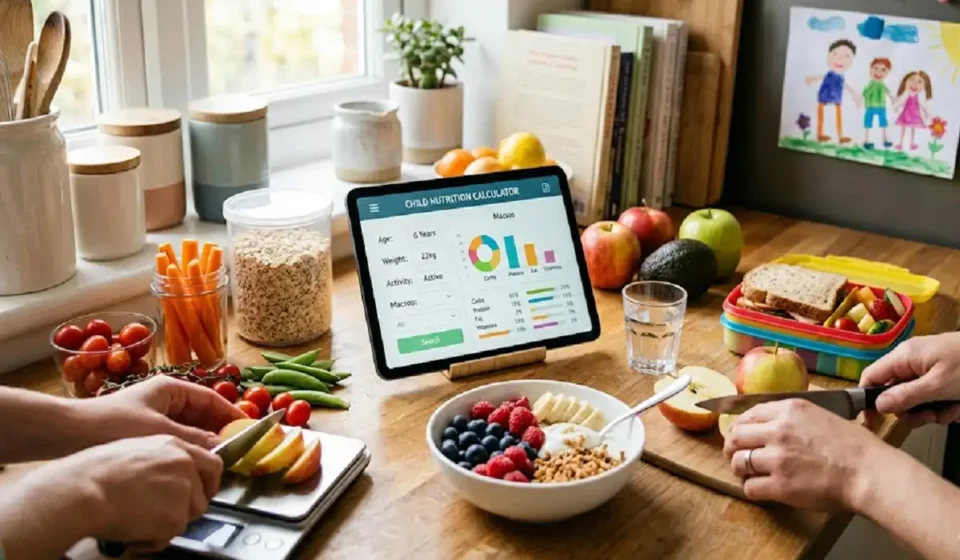

Feeding children often feels like a daily puzzle. You want them to eat plenty of greens, get enough protein, and avoid excessive sugar. Yet, picky eating phases and busy schedules can make balanced nutrition seem impossible. Guessing what your child needs can leave you wondering if they are actually getting the right fuel for their growing bodies.
Taking the guesswork out of mealtime is easier than you think. A nutrition calculator designed for children can completely transform how you plan your family meals. This tool gives you exact data to ensure your kids get the precise balance of calories, vitamins, and macronutrients they need to thrive.
In this guide, we will explore exactly how a nutrition calculator supports your child’s health. You will learn how to track essential nutrients, build kid-friendly meals, and promote lifelong healthy eating habits.
Why Growing Children Need Precise Nutrition
Children are not just small adults. Their bodies undergo rapid development, requiring specific nutrients to build strong bones, support brain function, and maintain high energy levels. A child’s dietary needs change frequently as they hit different growth spurts and developmental milestones.
When you rely solely on intuition, it is easy to miss hidden nutritional gaps. You might serve plenty of food, but it might lack the specific micronutrients necessary for optimal development. Using a reliable tracking tool helps you visualize exactly what your child consumes over a week.
This level of insight allows you to make gentle adjustments to their diet. Instead of forcing drastic changes, you can slowly introduce new foods that fill the specific gaps identified by your calculator.
Tracking Essential Vitamins and Minerals
Vitamins and minerals act as the building blocks for a healthy child. Calcium and vitamin D are vital for bone development, while iron supports cognitive function and prevents fatigue. Unfortunately, many popular kid-friendly snacks lack these essential micronutrients entirely.
A nutrition calculator highlights exactly how much of these crucial vitamins your child gets each day. If you notice a consistent lack of iron, you can easily add more spinach or fortified cereals to their morning routine. This proactive approach prevents nutritional deficiencies before they impact your child’s health and energy.
You can also use this data to consult with your pediatrician. Having a clear, accurate log of your child’s vitamin intake makes medical appointments much more productive. It allows your doctor to provide highly tailored advice based on real data rather than rough estimates.
Balancing Macronutrients for Energy
Children naturally burn a massive amount of energy through play, learning, and growth. To sustain this energy, they need a proper balance of macronutrients: carbohydrates, proteins, and healthy fats. Each of these components plays a unique role in their daily development.
Carbohydrates provide the immediate energy required for active play and schoolwork. Proteins repair tissues and build strong muscles. Healthy fats, often overlooked, are absolutely critical for brain development and absorbing certain vitamins. A nutrition calculator helps you see the ratio of these macronutrients in your child’s daily diet.
Many parents discover their children consume plenty of carbohydrates but fall short on healthy fats or proteins. By tracking these macros, you can start swapping simple carbs for nutrient-dense alternatives. A balanced macronutrient profile keeps your child feeling full, focused, and ready to tackle their day.
What is a Nutrition Calculator for Children?
A nutrition calculatorfor children is a digital tool that breaks down the nutritional content of the foods your kids eat. You simply input the ingredients and portion sizes of their meals. The tool then generates a clear profile showing calories, fats, carbohydrates, proteins, and essential vitamins.
Unlike standard adult calculators, pediatric versions often account for age, weight, and activity level to provide customized daily targets. They use extensive food databases to give you an accurate snapshot of every meal and snack. This eliminates the need for manual math and stressful label reading at the grocery store.
These tools are highly customizable and reliable. You can easily save your child’s favorite meals for quick logging in the future. Many calculators also offer modern, eye-catching visual charts that make understanding the data simple and straightforward.
How to Use a Nutrition Calculator for Your Kids
To get the best results, you need to use the calculator consistently. Start by measuring portions accurately for a few days to understand your child’s baseline intake. You do not need to weigh every single grape, but having a general idea of portion sizes drastically improves the tool’s accuracy.
Log meals proactively when you plan your weekly menu. Entering the food before you cook allows you to adjust ingredients if a meal falls short on protein or goes too heavy on sugar. This helps you build perfectly balanced plates before the food ever reaches the table.
Remember to track the beverages and small snacks, too. Juice boxes, handfuls of crackers, and dipping sauces add up quickly over the course of a day. Entering these items ensures you have a completely honest view of your child’s nutritional intake.
Creating Kid-Friendly Meals
You can use the calculator as a creative design tool for family dinners. If your child refuses to eat broccoli, type other green vegetables into the calculator to see which ones offer similar nutritional benefits. You can easily find alternatives that your child might actually enjoy eating.
The tool also helps you upgrade classic kid favorites. If your family loves macaroni and cheese, use the calculator to see how adding peas or swapping standard pasta for a chickpea alternative changes the nutritional profile. You can boost the protein and fiber while keeping the meal familiar and comforting.
This process takes the stress out of meal prep. You can confidently serve meals knowing they meet your child’s exact nutritional requirements. It turns dinnertime into a successful, compliant routine rather than a nightly battle over vegetables.
Planning Healthy Snacks
Snacks play a massive role in a child’s diet, often making up a quarter of their daily calories. A nutrition calculator helps you transform empty-calorie grazing into purposeful fueling. You can design snacks that bridge the nutritional gaps between breakfast, lunch, and dinner.
If the calculator shows your child needs more healthy fats, you can plan a snack of apple slices with almond butter. If they are low on fiber, you can offer a small bowl of berries and oats. The calculator turns snack time into a strategic opportunity to boost their overall health.
You can also prepare these optimized snacks in advance. Having a fridge full of pre-logged, balanced snacks guarantees fast delivery of nutrients when your child comes home hungry from school. It prevents the frantic reach for heavily processed convenience foods.
Promoting Healthy Eating Habits Early On
The habits your children form now will likely follow them into adulthood. By prioritizing balanced nutrition early, you set them up for a lifetime of better health. A nutrition calculator is not just a tracking tool; it is a powerful educational resource for your entire family.
When you understand the nutritional value of food, you naturally speak about it differently. You start focusing on how food makes the body strong and fast, rather than labeling items as strictly “good” or “bad.” This positive framing builds a healthy psychological relationship with food.
Eventually, the knowledge you gain from the calculator becomes second nature. You will intuitively know how to build a balanced plate without needing to log every ingredient. This built-in education empowers you to make excellent choices effortlessly, whether you are cooking at home or eating at a restaurant.
Making Nutrition Fun and Engaging
As your children grow older, you can invite them to use the calculator with you. Show them the modern charts and graphs that display their daily vitamin intake. Turning nutrition into a visual, interactive experience makes the concept much easier for children to grasp.
You can create fun challenges based on the calculator’s data. Challenge your kids to help you find a new vegetable that boosts their vitamin C for the week. Let them pick ingredients at the store and plug them into the app to see the results.
Involving children in the process gives them a sense of ownership over their diet. When they understand why certain foods are important, they are much more likely to eat them willingly. This collaborative approach makes healthy eating a shared family goal rather than a strict set of rules.
Take the Guesswork Out of Mealtime
Ensuring your child gets the right nutrition does not have to be a stressful guessing game. A nutrition calculator provides the exact data you need to make confident, informed choices about their diet. For example, if you’re dining out, many restaurants now offer tools like the Qdoba Nutrition Calculator, which allows you to customize and review the nutrition details of every menu item before ordering. This resource empowers parents and kids alike to build meals that fit their dietary needs, making it easier to choose balanced options even when away from home. By tracking calories, macronutrients, and vitamins, you can build meals that perfectly support their growth and development.
Start by choosing a reliable nutrition calculator app and tracking your child’s meals for just three days. Review the data to identify one simple adjustment you can make, like adding more protein to their breakfast or swapping out a sugary snack. Small, data-driven changes today will build the foundation for your child’s lifelong health and wellness.
For More Details Visit Business2Inside Contact Page
